Navigating a Troubling News Cycle: Practical Self-Care Tips
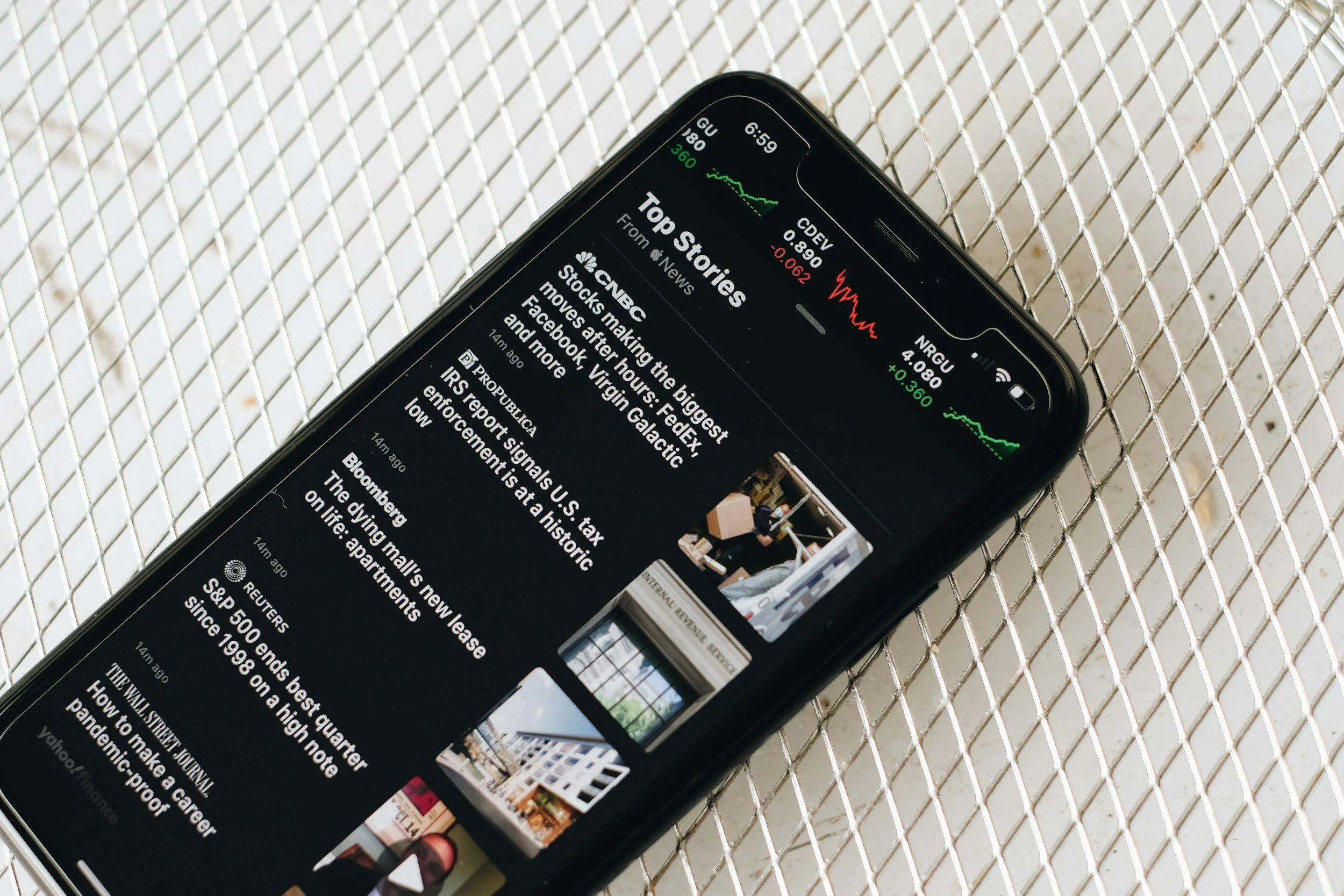
One question I’ve heard a lot in therapy sessions lately is: “How do I take care of myself when I’m constantly being bombarded by horrible news stories?”
Political discourse has gotten more divisive, news stories more extreme, and frankly things are happening in our communities or nearby that are frightening and upsetting to a lot of people. Having a phone or other screen nearby that is constantly giving us updates doesn’t help. It’s a non stop stream of negativity, and it leaves many feeling anxious, scared, burnt out and depressed.
However, we don’t want to completely turn off or avoid the news. Being informed and involved is an important part of our civic duty, so I never want to encourage people to just ignore what is happening around them. There are some practical steps you can take to care for yourself:
Choose WHEN you are going to get your news: As I mentioned earlier, phones and omnipresent screens make it very easy for the news to be inserted into our lives pretty much 24/7. It is up to you to choose not to allow that. Choose what time(s) work best for you to get your news, try to limit it to 90 minutes or less per day. Then be intentional about it. For some that is as simple as avoiding certain websites throughout the rest of the day. For others it may need more proactive steps such as putting blockers on your phone or web browser that help you focus on productivity rather than doom scrolling.
Choose WHERE you are going to get your news: Social media shouldn’t be where you go to get your news. Period. Let me say it again: Social media shouldn’t be where you go to get your news. The algorithms are made to keep you addicted, it notices what your eyes hover over and then tries to feed you more information to keep you glued on their site. It’s not news, it’s bait. Screen out “news” on social media by curating your feed so that social media is SOCIAL first and not for the news. Tell your social networks you don’t want to see that content by blocking it. Instead find two or three news sources that you trust and make yourself a regular on those places. Bookmark them on your computer so you go directly to them. If you go to other places make sure what leads you there is a trusted source. I often encourage others to try and find a news source that skews a little right, another that skews a little left and one that is pretty centrist. Avoid “news” sources that are clearly partisan. Instead, get the straight news and decide for yourself. Don’t forget about local news, find out what is going on in your community, you might be surprised at how the national news trickles down to your community in unexpected ways. Avoid sites or articles that are mostly opinion. It used to be that the opinion section of the newspaper was very small, and there were few opinion pieces in the evening news. Now, in order to fill up the 24/7 cycle we are constantly being bombarded, often times very loudly, by the opinion of others packaged as news. If you do want to get the opinion of others again stick to trusted sources, and keep it brief.
Choose HOW you want to engage: With so much going on it can be difficult to know where to begin if we want to be involved in the process, sometimes the glut of information is paralyzing. But maybe there is one thing that you are interested in. Maybe it is one topic that you want to invest your time and energy into, maybe it’s an organization, maybe it’s financially supporting others doing work you believe in. Once you get educated you can use your time in an educated way, that could be protesting, or letter writing or volunteering. Whatever it is, choose to educate yourself in that topic, that event, that organization, then how you would like to engage. It’s not giving up on other important issues, it’s engaging in an effective way and trusting that others will do the same in other areas.
Allow yourself down time: We all need time to recharge. Take a day from time to time, maybe once a week, where you focus on rest and recovery. Have other activities and times throughout the week for you. Spend time with people you care about, participate in hobbies, exercise, join religious or community organizations. Take care of yourself, and don’t feel guilty about it, we all need to keep our batteries charged so we can be more effective during times of need.
Finally, give yourself grace: It is overwhelming, it is scary, and it’s ok to admit that. When that voice inside your head is telling you to do more when you don’t have any left in the tank, telling you it will never be good enough or you are feeling like you aren’t doing your part well, be kind to yourself. We aren’t going to be perfect, we can’t do it all, and we don’t know what tomorrow will bring, but if we all engage a little we can accomplish a lot.